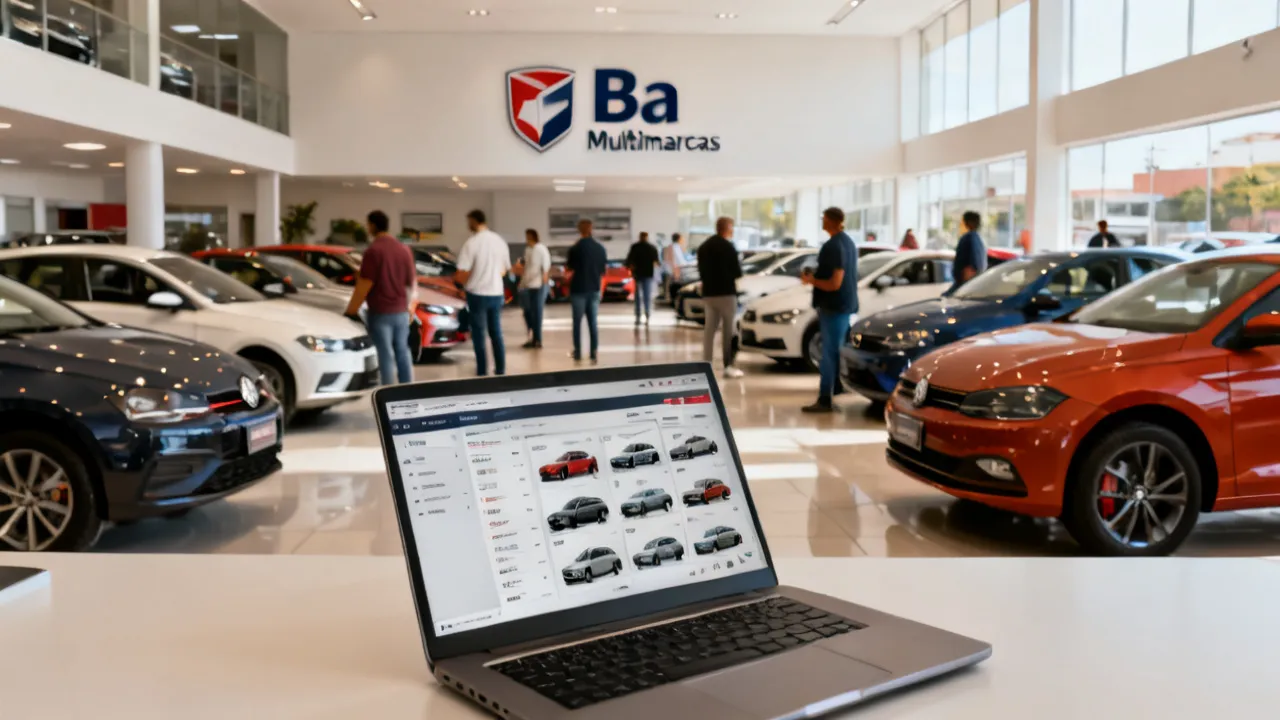
How to Find Cheap Used Cars Near Me
This guide explains how to find and buy a cheap used car on sale, using reputable official car trading websites and smart evaluation steps. Keywords such as “Xxxxx” and “caronsale” relate to mainstream platforms where listings, pricing, and vehicle history can be compared. The background context covers how online inventory works, why condition and title status matter, and how buyers can reduce risk.
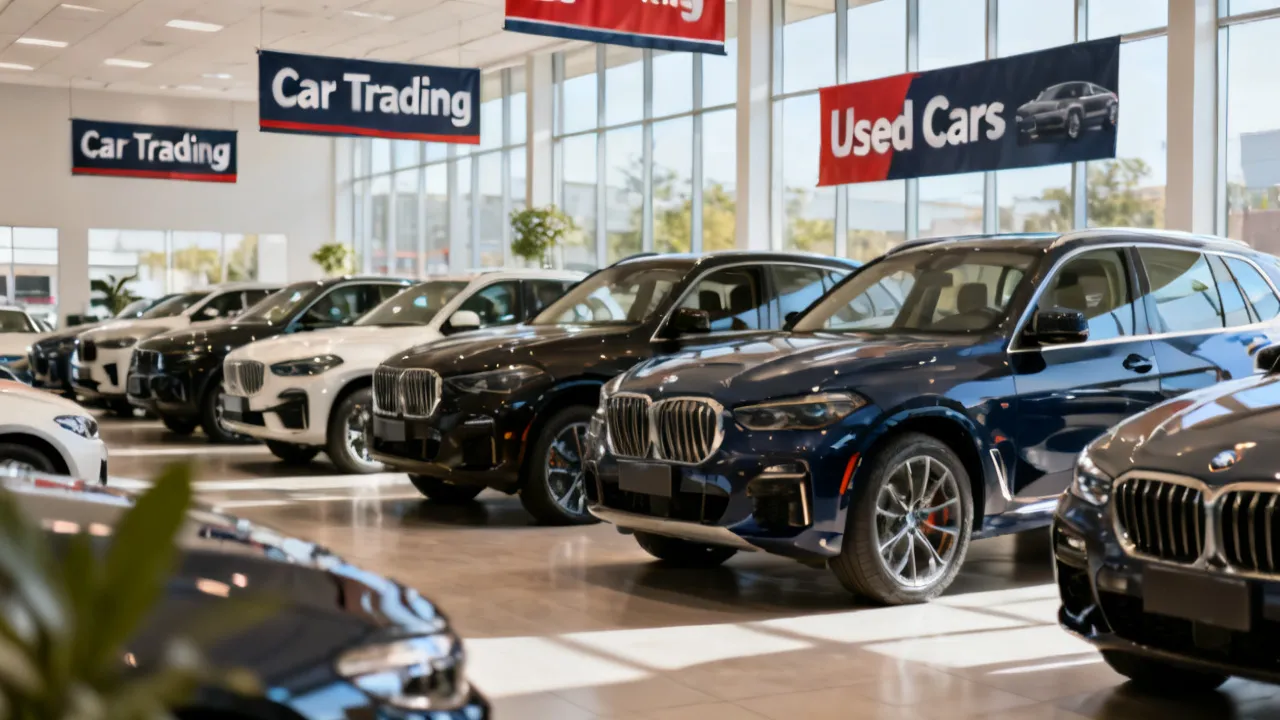
Start Here: Buy a Cheap Car on Sale with Lower Risk
Finding a cheap car that’s genuinely on sale is less about chasing the lowest sticker price and more about verifying the vehicle’s condition, title status, and total cost of ownership. In practice, the “best deal” usually looks boring on the surface: the car is priced lower for a reason that you can confirm (for example, older tires that need replacement, a known cosmetic issue, or a temporary inventory situation), and the seller can back up the claims with documents and transparency. A vague “it’s just a great price” message is rarely enough when you’re trying to minimize risk.
This guide focuses on practical methods you can use to compare listings across well-known official car trading websites, including cars.com, Carmax, and caronsale, and then narrow options through documentation checks and test-drive discipline. It also includes a deeper “risk-lowering” approach—how to spot listing problems early, how to structure questions, how to evaluate inspection results, and how to compare your real “out-the-door” cost rather than the advertised price alone.
Because “Xxxxx” and the other provided keywords appear to point toward the broader ecosystem of online car marketplaces (including the “caronsale” concept and major resale networks), the most objective path is to use established listing platforms, confirm listing details, and make decisions based on evidence—not assumptions. If you treat each vehicle like a small research project—supported by documentation, independent checks, and careful comparisons—you can find a low price while still protecting yourself against hidden costs.
Use Reputable Official Platforms to Compare Real Inventory
When shoppers browse for a discounted vehicle, the fastest route to quality leads is to start on platforms with structured listing data, dealer/marketplace processes, and consistent inventory updates. These platforms don’t remove all risk, but they standardize how cars are presented and reduce the chance that you’re comparing incomplete or misleading information. For many buyers, that standardization matters because “cheap” deals often fail due to missing details—unclear accident disclosures, unclear ownership history, or vague descriptions that hide condition issues.
Below is a compact comparison of the official trading websites referenced for car listings in this guide. Think of it as an entry-point map: you’ll still verify details on each specific listing page, but you’ll know where the data usually comes from and what kind of buyer experience is typical on each site.
| Platform | What You Can Typically Evaluate |
|---|---|
| cars.com | Broad inventory searches, trim-level visibility, and structured listing filters to compare “on sale” options. |
| Carmax | Pre-owned inventory listings that emphasize standardized dealership processes and buyer-friendly purchasing workflows. |
| caronsale | Used-car listings intended to help shoppers find vehicles and compare offers across available dealer stock. |
| Autotrader (as referenced) | Listing discovery and cross-comparison across vehicle categories and market segments. |
source: [www.cars.com](www.cars.com), [www.carmax.com](www.carmax.com), [www.caronsale.com](www.caronsale.com), [www.autotrader.com](www.autotrader.com)
Source note: The table is based on the official websites named above as the information origin for where listings are hosted and how inventory discovery is typically presented. Always verify specific vehicle details directly on the listing page. Even within the same platform, individual dealer quality varies, so your process must remain consistent across all listings.
How to Find a Cheap Car on Sale (Step-by-Step, Practical Method)
From an industry-expert perspective, “cheap” should be treated as a combination of purchase price and foreseeable costs. The most reliable bargains are usually the ones that remain inexpensive after considering maintenance history, repair likelihood, and risk factors. A car can be “cheap” at the register and still become expensive if it has overdue maintenance, a hidden mechanical problem, or a title issue that causes future headaches.
Follow this workflow to reduce the chance of a bad deal. The goal isn’t to eliminate uncertainty entirely—that’s impossible with used cars—but to shrink uncertainty so your risk level matches your budget.
Step 1: Define your target budget—then reserve a “total cost buffer”
Most buyers plan only the vehicle price, but the real cost includes taxes, registration, insurance, potential immediate repairs, and inspection fees. If you’re looking for a car deal near your budget, set aside an additional amount for short-term maintenance items rather than assuming the car is “problem-free.”
What counts as a short-term maintenance buffer depends on mileage and season. Common items that often need replacement soon after purchase include:
- Tires (especially if tread is near the legal limit or the tires are older)
- Brakes (pads/rotors and brake fluid condition)
- Fluids (oil, coolant, transmission fluid—where applicable)
- Filters (cabin air filter, engine air filter)
- Wipers and lights (often overlooked but inexpensive to check)
Even if you don’t replace everything immediately, having a budget buffer prevents the classic failure pattern: buying a cheap car, then using credit or savings to cover urgent repairs right away. By reserving the buffer up front, you keep negotiation power too—because you can credibly say, “I have a realistic repair budget for tires and brakes.”
Step 2: Narrow by dependable value segments
Within marketplaces like cars.com or Autotrader, you can filter listings by year range, drivetrain, fuel type, transmission, mileage bands, and body style. Industry practice suggests focusing on segments where parts availability and service history are easier to validate. That’s especially relevant when browsing “on sale” listings that may vary widely in condition.
To narrow effectively, use filters not just to reduce the list, but to reduce risk. For example:
- If you want fewer maintenance surprises, consider focusing on popular models with abundant parts and community service experience.
- If you commute and want predictable reliability, consider drivetrain and transmission choices that match your driving conditions (city traffic vs highway).
- Prefer consistent mileage bands: comparing a 60,000-mile car to a 120,000-mile car can mislead you if you treat them as direct substitutes.
Also, be careful with “category traps.” If a seller is promoting a car as “on sale,” but it sits in a category that attracts lots of bargain-hunters (and sometimes sketchier deals), you’ll need extra documentation verification. The solution isn’t to avoid bargains—it’s to verify them more thoroughly.
Step 3: Compare the “on sale” price against reasonable market context
When a listing claims a discount, confirm it by comparing similar trims and similar mileage across the same platform. A “deal” is only a deal relative to what you could buy instead. Use the platform search to find at least a handful of comparable cars, not just one.
Here’s a practical technique: create a shortlist of 5–10 cars that are “close enough” in year, trim, mileage, and location. Then compare their price and their stated condition details. When a listing is dramatically lower, treat it as a prompt for deeper verification rather than as proof you found the jackpot.
Common reasons a price is lower than market include:
- Title status (salvage, rebuilt, flood, lemon buyback, or other special status)
- Accident history with incomplete disclosures
- Maintenance gaps (missing records or no evidence of regular service)
- Mechanical symptoms (known engine, transmission, or cooling issues)
- Cosmetic issues (which can be mild) but may also hide bigger problems
In short: a huge discount is not automatically bad. But it demands proof.
Step 4: Read the listing for risk signals
Before contacting the seller, scan for indicators that often affect total cost. Think like a risk analyst: you’re trying to identify why the deal exists, and whether that reason is manageable or dangerous.
Before you contact anyone, look for:
- Title status (clean vs. rebuilt/salvage)
- Accident disclosures and whether repair documentation exists
- Ownership history and service records (if provided)
- Listing age (fresh listings aren’t automatically better; stale listings may signal unresolved issues)
- Equipment completeness (missing keys, missing warranties, incomplete options)
- Service history detail level (a vague “well maintained” is less reliable than specific service timestamps)
Also pay attention to the “tone” of the listing. If everything is enthusiastic but nothing is specific—no pictures of undercarriage, no detail about tire condition, no notes about recent repairs—your risk tolerance should drop. Conversely, a detailed listing with clear disclosures typically indicates a better chance the vehicle is being sold honestly.
Step 5: Verify vehicle history and maintenance evidence
For most buyers, the single best defense against “false bargains” is documentation. Ask for and review maintenance records and any vehicle history report that supports the seller’s claims. If the listing platform provides a vehicle history workflow, use it rather than relying solely on verbal statements.
When you request documentation, don’t only ask for the report—verify consistency across documents. For instance:
- Do the dates on service records roughly match the mileage reported?
- Does the repair story match the accident disclosure?
- Do the maintenance items listed align with what you’ll inspect (brakes, tires, coolant, battery date)?
Even when a car’s history looks clean, gaps matter. A car with no recorded service doesn’t automatically mean it was neglected, but it does mean you’re buying more uncertainty. That uncertainty translates into higher risk. If the price compensates you for that risk, it may still be a good deal—but you should know what you’re paying for.
Step 6: Perform a structured pre-purchase inspection
Even a well-priced car can be expensive if it needs hidden repairs. A professional inspection should include more than a quick look at the exterior. A good inspection reduces uncertainty before you commit.
Ask the inspector (or specify in your arrangement) that the inspection includes:
- Underbody and leak checks
- Brake and tire condition verification
- Diagnostic scanning for stored codes
- Inspection of suspension components and alignment indicators
- Verification of drivetrain and cooling system behavior
- Battery/charging system check (often overlooked)
- Inspection of belts, hoses, and visible wear items
- Basic inspection of interior systems (AC, heat, windows, locks)
If you’re buying from a marketplace listing (e.g., via cars.com or Carmax inventory pages), the goal is not to “catch” the seller—it’s to make sure you’re paying a fair price for the actual condition. In many cases, sellers who price fairly will cooperate smoothly with a third-party inspection. If a seller is resistant to inspection, that resistance itself is a risk signal.
Step 7: Negotiate with evidence, not emotion
When you find a potential deal, keep negotiation objective. Use inspection findings, comparable listings, and documented service gaps to justify price adjustments.
A structured negotiation approach might look like this:
- Start with comparable listings and your observed discrepancy (e.g., “similar cars are priced at X, but this car’s tires need replacement”).
- Use inspection notes to translate problems into dollars (tires, brakes, likely labor).
- Ask for a correction or price reduction aligned to the discovered issue.
- If you accept the risk, state it calmly and confirm the final price and timeline in writing.
Avoid bargaining that implies you’re comfortable with undisclosed problems. Credible sellers respond better when your questions are specific and evidence-driven. If you appear to “hope” the car is fine, sellers may guess that you’ll accept hidden defects. If you show that you have a clear process, you’ll often get a more honest interaction.
Step 8: Confirm financing or purchase terms before committing
Cheap cars can become costly if financing terms are unfavorable or if fees are unclear. Review the full purchase agreement: total out-the-door cost, warranty terms (if any), return policies (if offered), and documentation requirements.
When you’re comparing multiple leads from caronsale or Autotrader, standardize your comparisons so you’re not mixing different fee structures or coverage terms. Two listings may have the same vehicle price but different total costs due to:
- Documentation fees
- Dealer add-ons
- Extended service contract costs
- Tax and registration differences
- Shipping or delivery fees (when applicable)
Before signing anything, confirm the out-the-door price and keep a record of it. If the seller says the “sale price” is good but won’t provide the final numbers, treat that as a risk signal. The lower your purchase price, the more important it is to understand every fee that can quietly inflate your total cost.
Conditions and Requirements Checklist (Compare Before You Buy)
Below is a requirements-style comparison so you can treat every candidate listing—whether from cars.com, Carmax, caronsale, or Autotrader—with the same discipline. The checklist helps you avoid the “winner’s curse” that happens when you fall in love with one deal before verifying it properly.
| Requirement Area | What “Good Enough” Looks Like |
|---|---|
| Documentation availability | Maintenance history and title/disclosure details match what you see in the listing and on supporting reports. |
| Inspection readiness | The vehicle can be inspected by you or a qualified third party within a reasonable timeframe. |
| Test-drive completeness | You can test drive under varied conditions (city + highway) and verify no warning lights after driving. |
| Total cost clarity | The seller can clearly communicate total purchase cost, including fees and any coverage or warranty terms. |
| Reason for discount | There is a credible explanation for why the car is priced lower than similar options. |
To make this even more actionable, consider a simple scoring system for each listing: assign a “pass,” “conditional pass,” or “fail” to each requirement. For example:
- Pass: You have documentation, clean title info matches, the seller agrees to inspection, the discount is explained.
- Conditional pass: You need clarification on one area, but the rest looks strong.
- Fail: Missing title info, refusal to inspect, vague accident story, or inconsistent mileage/service claims.
Even without sophisticated tools, this scoring prevents impulsive decisions. It also helps you compare multiple listings objectively, which is essential when you’re hunting for “on sale” cars across multiple platforms.
Industry Perspective: Why “On Sale” Doesn’t Always Mean “Best Deal”
Automotive retail and marketplace ecosystems share a common reality: promotional pricing exists, but it’s not always a pure signal of value. From a professional standpoint, the “best deal” typically emerges when the discount aligns with a manageable explanation and the seller provides evidence of the vehicle’s condition.
From a risk management point of view, “on sale” may simply mean:
- The vehicle needs to move quickly due to inventory cycles
- The vehicle has minor issues that are fixable or priced into the cost
- The seller has accurate information and uses the platform to accelerate sales
But “on sale” can also mean the seller expects that many buyers will skip verification. That’s why bargains require documentation and inspection discipline. Industry experience shows that the most expensive surprises often come from:
- Title issues discovered late in the process
- Accident repairs that were not properly disclosed
- Mechanical symptoms masked by recent “fixes” without deeper diagnostics
- Maintenance gaps that were never documented
That’s why this guide emphasizes using official listing platforms to gather comparable data, then validating the car using independent inspection and document review. When your process is evidence-based, you reduce the risk of paying bargain prices for expensive problems.
Local Shopping Nuance: “Near me” Search Behavior (Without Overreaching Assumptions)
When shoppers search for cars “nearby,” the results often reflect regional inventory patterns, seasonal demand, and how far dealers are willing to offer certain vehicles. Even without assuming any specific city-level data, you can improve outcomes by understanding how distance affects pricing, availability, and logistics.
One of the biggest “near me” pitfalls is that distance encourages you to accept deals quickly. You may feel pressure to move fast because the car is close. But closeness doesn’t eliminate risk, and “fast decisions” are where documentation and inspection steps get skipped.
Instead, you can improve outcomes by:
- Expanding your radius slightly to compare similar trims across neighboring listings.
- Prioritizing sellers who provide consistent disclosures and respond with structured answers.
- Being cautious of deals that require unusually long shipping or unclear handoff timelines.
- Requesting proof of work if the seller claims a recent repair or replacement.
In many markets, buyers who restrict themselves too narrowly may encounter fewer options and end up accepting less favorable terms—especially when their choice set is limited to older or higher-mileage inventory. A small increase in search radius can open up better-conditioned cars, which can be a meaningful deal even after considering travel or shipping costs.
Also, consider that some “near me” listings may have higher fees due to local dealer practices. That makes total out-the-door pricing even more important than the advertised price. Always confirm the final paperwork numbers before you commit, especially if you’re comparing deals from different platforms where fee structures differ.
Expanded Buying Discipline: How to Lower Risk Even Further
So far, you’ve got a solid process: compare reputable platforms, verify listing details, request documentation, inspect before purchase, negotiate with evidence, and confirm total purchase terms. To lower risk even more, apply a few additional discipline steps that experienced buyers and professionals often use.
1) Use photos and description details like “soft evidence”
Even before you contact the seller, evaluate the listing media like a detective. For example:
- Do photos show tires close-up and the wheel well areas?
- Is there visible undercarriage coverage or signs of fluid leaks?
- Is the exterior consistent (no obvious repaint mismatch, mismatched panels, or missing trim)?
- Are there pictures of the vehicle’s interior condition matching the claimed mileage?
Soft evidence isn’t proof, but it can guide your questions. If the seller doesn’t provide any close-up photos and provides minimal written disclosure, you should assume more uncertainty and request a deeper inspection.
2) Ask for a quick “walkaround consistency check”
When you arrange a viewing or virtual walkthrough, ask the seller to answer a consistent set of questions. The goal is not to trap them; it’s to confirm that the car matches their story. Consider asking:
- Are there any current warning lights?
- When was the last time the battery was replaced?
- When were tires and brakes last replaced, and are there receipts?
- Has the car been smoked in or does it have unusual odors?
- What maintenance was recently performed (with date and mileage)?
How they answer matters. A good seller provides specifics and offers to show documentation or discuss inspection results. A less reliable seller may respond with generic statements like “it’s fine” without details.
3) Treat “warranty” and “return policy” as decision tools, not marketing slogans
Some platforms and dealers include limited warranties or return policies. Those can reduce risk—especially for cheap purchases where you can’t always afford an immediate repair bill.
However, you should read warranty terms carefully. In particular:
- What components are covered (and what are excluded)?
- Is it a powertrain warranty or a more comprehensive plan?
- Are there mileage limits or time limits?
- What is the claim process and where must repairs be performed?
When you compare two “cheap on sale” cars, a slightly higher price might actually be the better deal if the warranty reduces your expected repair cost. Conversely, a warranty that excludes major issues can be less valuable than it appears. The best choice depends on the specifics of your risk tolerance and the car’s condition.
4) Understand the difference between “price discount” and “risk discount”
A genuine sale price usually reflects a discount in money. But used-car discounts can also reflect a discount in risk only if you have evidence supporting the reason for the discount. The problem is that many buyers unintentionally confuse these.
Example of how to think about it:
- If a car is $2,000 cheaper but you discover it has a clean title and consistent maintenance, then the discount may be legitimate and low risk.
- If a car is $2,000 cheaper and it has an unclear accident history or inconsistent records, then the “discount” is not a discount in risk—it’s a shift of risk onto you.
When you negotiate, try to ensure the sale price discount matches the risk you’re actually taking. That’s what “lower risk” buying means.
5) Don’t skip “pre-inspection” questions that prevent wasted trips
Wasted trips create emotional decision-making, and emotional decisions are riskier. Before you drive across town (or plan travel), confirm details that materially affect condition and paperwork:
- Confirm title status and whether any special title labels apply.
- Confirm the vehicle identification number (VIN) matches the listing.
- Confirm number of keys and whether fobs work reliably.
- Confirm mileage and any recently replaced components.
- Confirm whether the car can be inspected by a third party.
If a seller can’t answer these, it may be better to move on—especially when you’re trying to buy cheap with lower risk.
6) Prepare for test drive like it’s part of the inspection
A test drive is not just a “comfort” check; it’s a mechanical sanity check. To reduce risk, you should test for symptoms that might not appear while parked.
Suggested test-drive routine:
- Cold start if possible (listen for unusual engine noise or smoke)
- Acceleration and deceleration (feel for hesitation or jerking)
- Braking performance (pulsation, pull to one side)
- Steering feel (vibration, alignment issues)
- Shifts (for automatic transmissions: harsh engagement or slipping)
- Temperature behavior (especially for cooling system stability)
- Electronics check (AC/heat, radio, charging indicator)
Also, pay attention to dashboard warning lights after you finish your drive. Some issues may not trigger instantly, but may appear under certain driving conditions.
7) Use negotiation to “fund” corrections rather than to win a moment
A common buyer mistake is trying to negotiate for the lowest possible price without factoring repair realities. A better approach is to negotiate to fund corrections. That means if you anticipate tires and brakes, you negotiate enough money to cover that. If you anticipate a diagnostic repair, negotiate based on the cost to restore the car’s reliability.
This is especially important for cheap cars where you may be more likely to discover maintenance needs soon after purchase. Negotiating “realistic repair money” keeps you from being forced into expensive repairs without a plan.
8) Confirm insurance feasibility before you sign
Insurance availability and cost can affect whether a cheap car is actually affordable. Some older vehicles can be cheaper to insure, but certain conditions (salvage title, high risk categories, or missing safety features) can increase premiums.
Before finalizing the purchase, ask for an insurance quote if possible. Even a rough estimate can prevent unpleasant surprises. If insurance is dramatically higher than expected, it may indicate the car isn’t the bargain you thought.
9) Consider the “expected ownership profile”
Buying cheap isn’t only about the purchase price—it’s about how long you plan to keep the vehicle and what you’ll use it for. Ask yourself:
- How many miles per month will you drive?
- Is the car primarily for commuting, errands, or long-distance trips?
- Do you have a backup vehicle if repairs take time?
- Will you perform DIY maintenance or rely on a shop?
Your expected ownership profile should influence your acceptable risk level. A car with slightly higher purchase risk might still be a good deal if you plan to keep it temporarily and you’re prepared for repairs. But if you need reliable daily transportation, your threshold for documentation gaps and mechanical symptoms should be lower.
10) Know when to walk away quickly
Even with excellent diligence, some listings simply aren’t worth the risk. Walk away if:
- The seller refuses a pre-purchase inspection.
- The title status is unclear or contradicts what’s presented.
- Accident history is undisclosed and you suspect it should exist based on other evidence.
- Documentation is missing and the price is too low to justify the missing evidence.
- Warning lights appear during your test drive and the seller dismisses them.
Walking away is not failure. In risk-based buying, it’s often the best decision.
Expanded FAQ: Common Questions Buyers Ask During a “Cheap Car on Sale” Search
How can I confirm a car is truly “on sale” and not just overpriced?
Compare the listing price with similar vehicles of the same trim and mileage band on major platforms. Then validate the seller’s disclosure details and request documentation. If the discount is unusually large without explanation, treat it as a reason for deeper inspection, not a reason to rush. Also compare not only price but total out-the-door cost once taxes and fees are considered.
Are official car trading websites safer than buying from a private seller?
They often provide more structured listing processes, and in many cases offer standardized workflows that can reduce friction. However, safety still depends on verifying the specific vehicle’s title status, maintenance evidence, and performing an inspection appropriate to the deal. A dealer listing can still hide issues if you don’t verify, and a private sale can still be legitimate if you do your homework—so the process matters more than the label.
What should I ask before scheduling a test drive?
Ask about title status, accident disclosure (if any), maintenance records, current warning lights, tire/brake condition, and whether the car can be inspected prior to purchase. Also confirm availability of all keys and any warranties, and request the VIN so you can match the documentation to the exact vehicle.
Is an inspection still worth it for a used car listed on a major marketplace?
Yes. Marketplaces reduce some uncertainty, but they cannot replace an inspection. A professional inspection helps uncover issues that may not be visible during a short viewing or test drive. In addition, inspection findings give you negotiating leverage so the “cheap” purchase price reflects the car’s true condition.
How do I avoid hidden costs after buying a cheap car?
Budget for near-term maintenance and confirm all fees in the purchase agreement. Use documentation to estimate repair likelihood and prioritize vehicles with consistent service history. Also consider insurance cost and seasonal maintenance items—like tires and wiper blades—because those often arrive early after purchase.
Can I use multiple platforms to find the best deal?
Yes. Comparing offers across platforms—such as cars.com, Carmax, caronsale, and Autotrader—helps you build a realistic price range. Just ensure you compare equivalent trims and mileage levels and standardize your out-the-door comparisons. A lower listed price may be offset by higher fees or add-ons.
What if the seller says the car “just needs a detail” and won’t answer questions?
“Needs a detail” can be true for cosmetic issues, but it’s not a substitute for disclosures and inspection readiness. If the seller refuses questions about maintenance, title status, or warning lights, that refusal itself is a risk signal. In that case, it’s reasonable to walk away unless you can obtain documentation and allow an inspection.
Is it worth buying a car with a salvage or rebuilt title to save money?
It can be possible, but it requires extra verification. You should understand how the title affects resale value, insurance eligibility, and potential future repair costs. If you consider such vehicles, you must verify repair quality through documentation, consider specialized inspections where appropriate, and ensure insurance can be obtained at a reasonable cost. If you’re aiming for “lower risk,” clean title vehicles are typically the safer path.
How do I compare two cars if one has a warranty and the other doesn’t?
Don’t compare only the vehicle price. Compare the total out-the-door cost and then translate the warranty value into expected risk reduction. If the warranty covers major components you’re worried about, it can justify a higher purchase price. If coverage is limited or short, the cheaper price might still be better—provided the inspection supports it.
Recommended Reference Links (Where the Listed Information Originates)
To continue researching car listings and marketplace inventory details, use the official websites referenced in this guide. These links provide entry points for searching inventory, viewing listing details, and verifying how the platform presents title/disclosure information.
Reference links (sources of listing platforms):
- https://www.cars.com/
- https://www.carmax.com/cars
- https://www.caronsale.com/en
- https://www.autotrader.com/
Disclaimer
1) The above information comes from online resources, and the data is as of October 2023.
2) For more information, please refer to the official website.
All Links Mentioned in This Article
-
1

A Guide to Cost-Efficient Small Electric Cars for Seniors
-
2
Mastering Debt Consolidation: Boost Your Credit Score and Manage Interest Rates
-
3
Your Guide to Loans, Credit Checks, and Interest Rates
-
4
Affordable Independent Living: Finding the Right Senior Housing
-
5
Guide to Senior Living Apartments: Affordable and Comfortable Environments