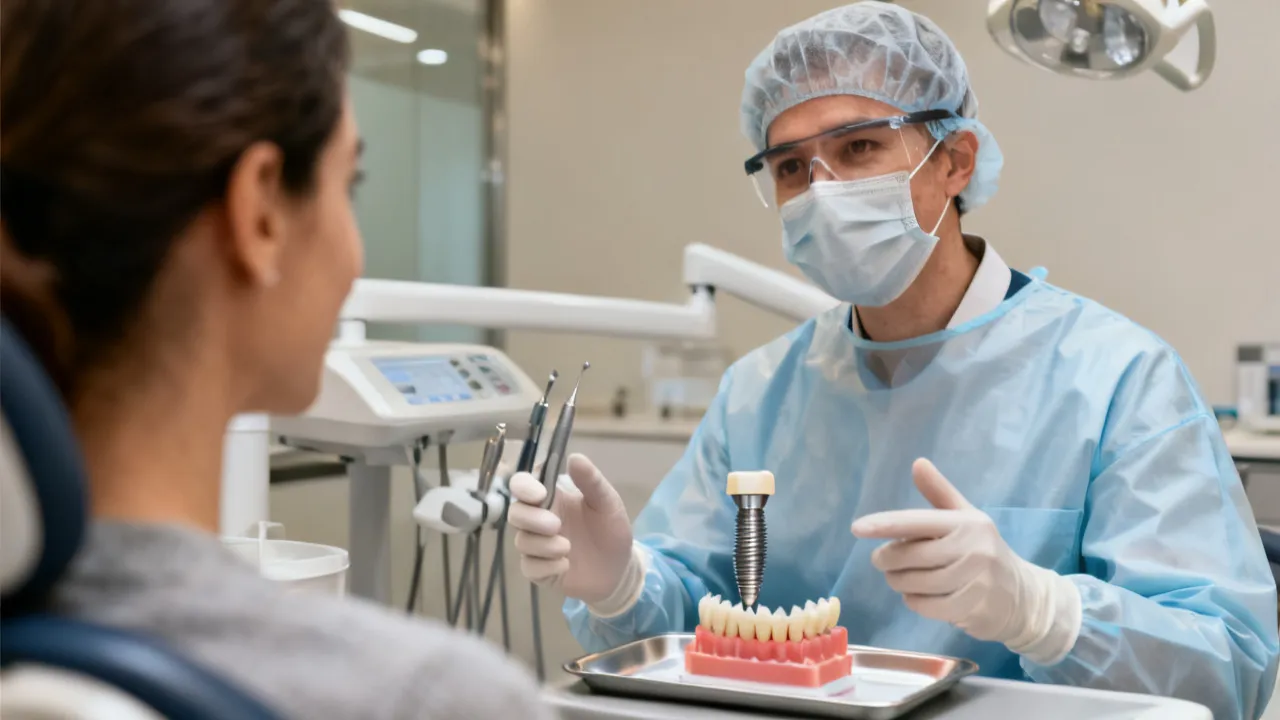
Xiva and Dental Implants: Cost, Options, Process
This guide explains Xiva in the context of dental implant decision-making, focusing on how patients in English-, Spanish-, and Portuguese-speaking countries can evaluate low-cost options responsibly. It outlines typical price ranges by country, shows how to compare reputable resources, and details a step-by-step process—covering medical requirements, planning, and aftercare—based on publicly available information up to October 2023.
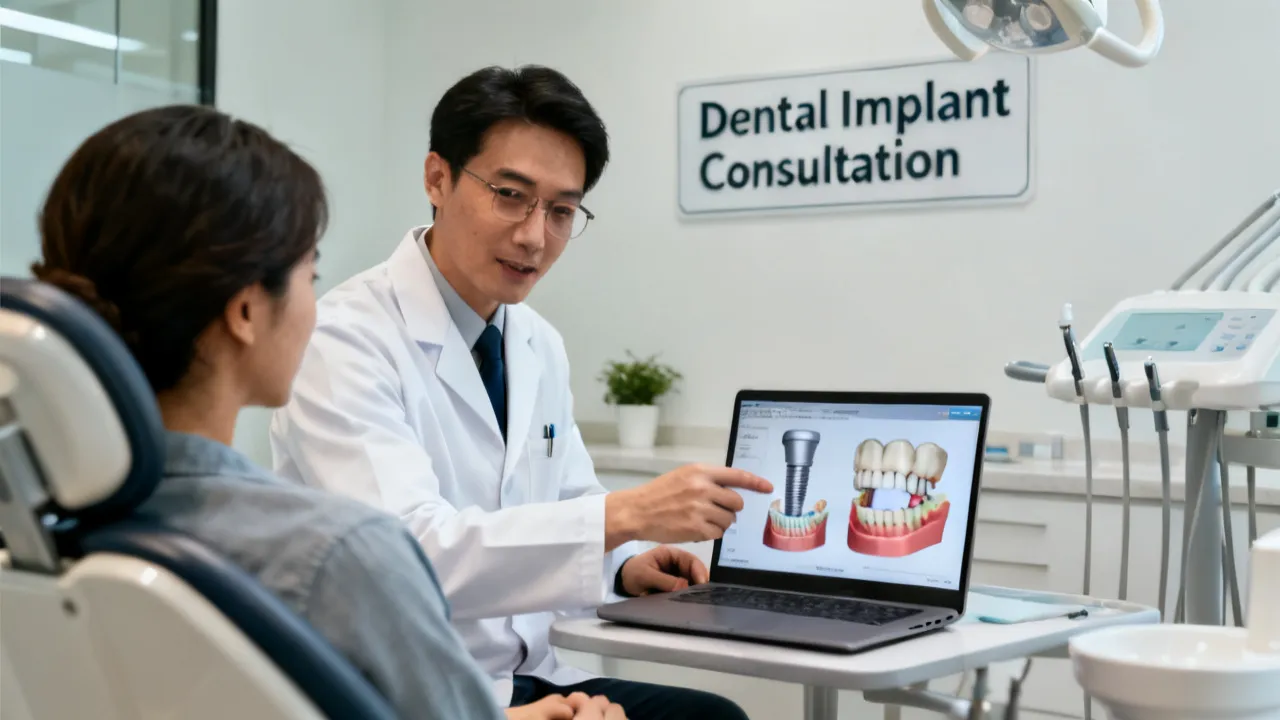
1) Why This Guide Matters: Xiva and Dental Implants in Practical Terms
Dental implants are widely recognized as one of the most durable tooth-replacement options available, but in real-world settings the challenge is rarely the “idea” of implants—it’s everything surrounding the decision: planning the treatment correctly, coordinating the right clinical steps, understanding what’s actually included in a quoted price, and managing risk when budgets are tight. Many people begin by searching online, comparing providers, and trying to understand the financial landscape before they ever schedule a consultation. That initial research stage can be productive, but it can also be confusing because “low cost” is not a standardized term, and websites often highlight affordability without fully explaining the clinical trade-offs, the scope of work, or the timeline.
This guide examines dental implant affordability and planning through the lens of Xiva as a reference point for how patients commonly research implant solutions. “Xiva” is not necessarily a universal medical term used in every clinic or by every dental governing body, but it frequently appears online alongside questions about implant affordability, treatment pathways, and patient experience. In practical terms, some people may use “Xiva” as a keyword to locate information that feels more accessible or more cost-oriented than mainstream clinical pages. Others may use it as a brand-adjacent label, a campaign name, or a shorthand for a specific kind of affordable implant pathway they encountered during their search. Regardless of what “Xiva” specifically refers to in your region, the broader research strategy is the same: you want to translate what you find online into a clinically precise plan you can discuss with a qualified dental professional.
To help you navigate that research efficiently, the article is organized around evidence-aligned decision criteria rather than generic “cheap vs expensive” comparisons. We’ll cover typical cost drivers, practical steps to reduce avoidable expense, and expert checklists of questions to ask before you pay. We’ll also map how different publicly available resources tend to frame low-cost implants, how to interpret country-specific price ranges, and how to avoid common “hidden cost” pitfalls.
Importantly, this guide does not replace an evaluation by a licensed clinician. Instead, it gives you a structured way to ask the right questions, interpret pricing proposals more accurately, and create a budget that accounts for the real clinical pathway—imaging, surgical steps, healing time, and prosthetic components. When done well, this research stage can save money and reduce stress, because you avoid paying for something that later turns out to be incomplete, unsuitable, or missing key components.
2) Objective Background: What Dental Implants Are and What “Low Cost” Usually Means
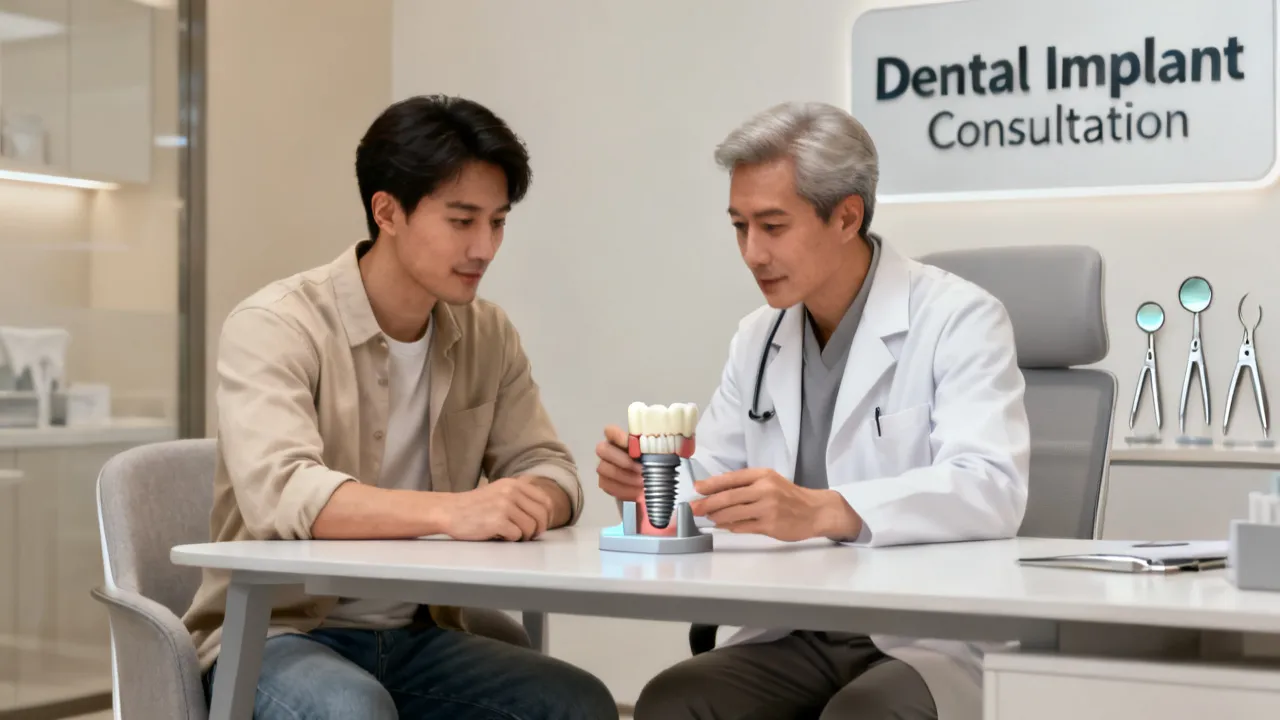
Dental implants generally involve a titanium (or titanium-zirconium) fixture placed into the jawbone. Over time, the fixture integrates with bone through a process known as osseointegration. Once integration is stable, the patient progresses to the prosthetic phase, which includes an abutment and a crown (for a single tooth) or a bridge/overdenture (for multiple missing teeth). While the high-level concept is consistent, the details vary widely depending on anatomy, bone quality, bite alignment, periodontal health, and the design of the prosthetic restoration.
The clinical pathway commonly includes:
- Assessment and imaging (e.g., panoramic radiographs; CBCT when indicated to assess bone volume, nerve proximity, sinus relationships, and implant positioning accuracy)
- Implant placement with primary healing
- Osseointegration period (time for bone to grow around the implant fixture)
- Prosthetic phase (abutment placement and final crown/bridge fabrication and placement)
When people search for “low-cost dental implants,” they’re usually reacting to one or more cost drivers such as:
- Clinic pricing models (package bundles vs. line-item pricing)
- Different implant systems (brand, surface characteristics, and included components)
- Treatment complexity (single implant vs. multiple implants; need for bone grafting; full-arch rehabilitation)
- Geographic variation (local market rates for clinician time, laboratory work, and clinic overhead)
- Insurance and financing (coverage rules, waiting periods, and installment options)
In other words, “low cost” typically reflects some combination of lower fees, bundled pricing, fewer components included in a base quote, or treatment planning choices that may shorten or simplify steps for selected patients. It may also reflect scenarios where you can defer a more complex approach until after initial stabilization or where provisional prosthetics are used during the healing phase.
However, the biggest research challenge is that websites and marketing pages sometimes use affordability language without explicitly defining what “included” means. For example, a page may emphasize “affordable implant solutions” but omit whether the quote includes the crown, whether bone grafting is included or billed separately, or whether follow-up visits and warranty coverage are part of the overall package. That’s why you need a structured way to convert any online price claim into an itemized clinical plan.
In your research, resources such as dental clinic informational pages, educational hubs explaining implant stages, dental tourism aggregators, and insurance literacy guides can help you orient quickly. They can also help you learn the terminology used by providers—terms like fixture, abutment, bone grafting, immediate vs. delayed loading, and mini implant concepts. But these resources rarely replace individualized clinical evaluation. They should be used as preparation tools, not as final decision tools.
3) A Comparison Table of Public Resources for Low-Cost Dental Implant Information (No Links in the Table)
Below is a condensed comparison of several websites that publish information relevant to low-cost dental implants. This is not an endorsement of any single provider. It’s a way to map what each site tends to emphasize so you can cross-check details and avoid relying on a single narrative.
| Website / Resource | Primary Value for Low-Cost Research |
|---|---|
| DentalViews | Emphasizes affordability-focused education, typical implant components, and cost-related FAQs |
| Atlantic Dental Group | Clinic-style service overview that often helps patients understand procedure categories, scheduling, and support |
| DentaVacation | Dental tourism framing: cost comparisons and travel-oriented planning considerations |
| ADHP-style insurance guidance (as referenced by provided source context) | Explains how insurance plans can reduce out-of-pocket expense and clarifies coverage pathways |
| Rockville Dental Arts (Spanish version) | Spanish-language patient communication for implants and general comprehensive services |
| Union City Mini Dental Implants (Spanish version) | Focus on mini dental implant concepts and who they may be suitable for |
| Cigna dental implants guide (Spanish) | Insurance-provider-style educational overview: implant concepts and patient expectations |
| Rubi Odonto (Brazil) | Brazil-based clinic services overview, including implants and aesthetic dentistry |
| Odontologia Velasco (Brazil) | Clinic positioning around modern technologies and implant/prosthetic services |
| DentalVidas (Brazil) | Plans/coverage framing and network-based access considerations; highlights emergency service context |
When you use these resources as part of your low-cost planning, the key is to treat them like translation layers for terminology and process. For instance, some sites may explain what a patient can expect in terms of visits and healing. Others may focus on insurance pathways or tourism considerations. By comparing multiple sources, you can identify which details are consistent across sites (suggesting common clinical realities) and which details vary (suggesting marketing differences, regional differences, or different treatment philosophies).
source:
DentalViews: www.dentalviews.com
Atlantic Dental Group: www.atlanticdentalgrp.com
DentaVacation: www.dentavacation.com
Rockville Dental Arts (Spanish): rockvilledentalarts.com/es
Union City Mini Dental Implants (Spanish): unioncityminidentalimplants.com/es
Cigna (Spanish guide): www.cigna.com/es-us/knowledge-center/guide-to-dental-implants
Rubi Odonto: www.rubiodonto.com.br
Odontologia Velasco: www.odontologiavelasco.com.br
DentalVidas: dentalvidas.com.br
4) Cost Ranges for Single Dental Implants by Country (Reference Ranges for Planning)
Dental implant pricing varies dramatically, and it’s almost never explained adequately by a single number. The main reasons include:
- Clinical complexity (bone volume, bone density, need for grafting, periodontal condition)
- Number of surgical steps (one-stage vs multi-stage approaches)
- Prosthetic design (type of crown, abutment components, material choices)
- Imaging needs (panoramic radiographs vs CBCT, guided surgery requirements)
- Geographic labor and overhead (clinic overhead, clinician fees, lab costs)
- Warranty and maintenance policies (what happens if complications occur)
Therefore, the ranges below should be used as planning reference points, not as quotes or guarantees. Use them to compare whether a proposed plan falls within a reasonable band for your region, and then confirm itemization with the provider.
| Country | Currency | Price Range (Single Implant) |
|---|---|---|
| United States | USD ($) | $3,000 - $6,000 |
| United Kingdom | GBP (£) | £2,000 - £2,500 |
| Australia | AUD (AU$) | AU$3,500 - AU$6,500 |
| Canada | CAD (CA$) | CA$3,000 - CA$5,500 |
| Spain | EUR (€) | €1,500 - €2,500 |
| Chile | CLP (CLP$) | CLP$800,000 - CLP$1,500,000 |
| Mexico | MXN ($) | $15,000 - $25,000 |
| Colombia | COP ($) | $2,000,000 - $4,000,000 |
| Peru | PEN (S/) | S/ 3,000 - S/ 6,000 |
| Argentina | ARS ($) | $80,000 - $150,000 |
| Brazil | BRL (R$) | R$3,000 - R$8,000 |
| Portugal | EUR (€) | €1,000 - €2,000 |
| Germany | EUR (€) | €2,000 - €3,500 |
| France | EUR (€) | €1,500 - €2,500 |
| Italy | EUR (€) | €1,500 - €3,000 |
| Japan | JPY (¥) | ¥300,000 - ¥700,000 |
If you see a quote significantly below the reference range, that doesn’t automatically mean it’s bad, but it should trigger additional verification. Often, very low quotes omit imaging, omit the crown material, omit abutment components, omit follow-ups, or assume conditions that may not apply to your specific case. Conversely, a quote above the range can still be appropriate if it includes premium materials, guided surgery, additional procedures (like grafting), and robust warranty terms. The “correct” price is the one aligned with what you truly need and what the plan includes.
One more practical note: currency conversions and exchange rate fluctuations can affect how people interpret “expensive” vs “cheap.” Even within the same country, price differences between clinics can be driven by differences in what the quote includes (especially prosthetic design and lab costs). That’s why itemization matters more than headline numbers.
5) Step-by-Step: How to Get Dental Implants at Low Cost in English-, Spanish-, and Portuguese-Speaking Countries
From an industry-expert viewpoint, “low cost” should be pursued through process, clarity, and risk control—not just through the lowest headline price. The steps below are designed to help you reduce avoidable expense while maintaining clinical quality. Think of the workflow as a method for preventing two common problems: paying too much for what’s unnecessary, or paying too little for what’s incomplete.
Step 1: Start with the right clinical question (not the right price)
Before comparing quotes, confirm what you actually need. A dental implant “single implant” can mean different things depending on the clinic. It may include only the titanium fixture plus surgical placement fees, or it may include the entire final restoration such as the abutment and crown. It also may differ depending on whether you need a bone graft, whether you require additional periodontal therapy, or whether mini implant concepts are being suggested.
Many low-cost listings omit these details to keep the marketing message simple. Your goal is to force precision: ask for the complete scope of work and confirm in writing what each quoted number covers. If you don’t, you risk getting an initial low number that later expands once the clinic discovers your case requires additional steps.
In practical terms, your first question should sound like: “What is the full treatment plan for my diagnosis, and what exact components (implant fixture, abutment, crown materials, imaging, follow-ups) are included in the price?” That question shifts the conversation from advertising to clinical delivery.
Step 2: Collect imaging and documentation
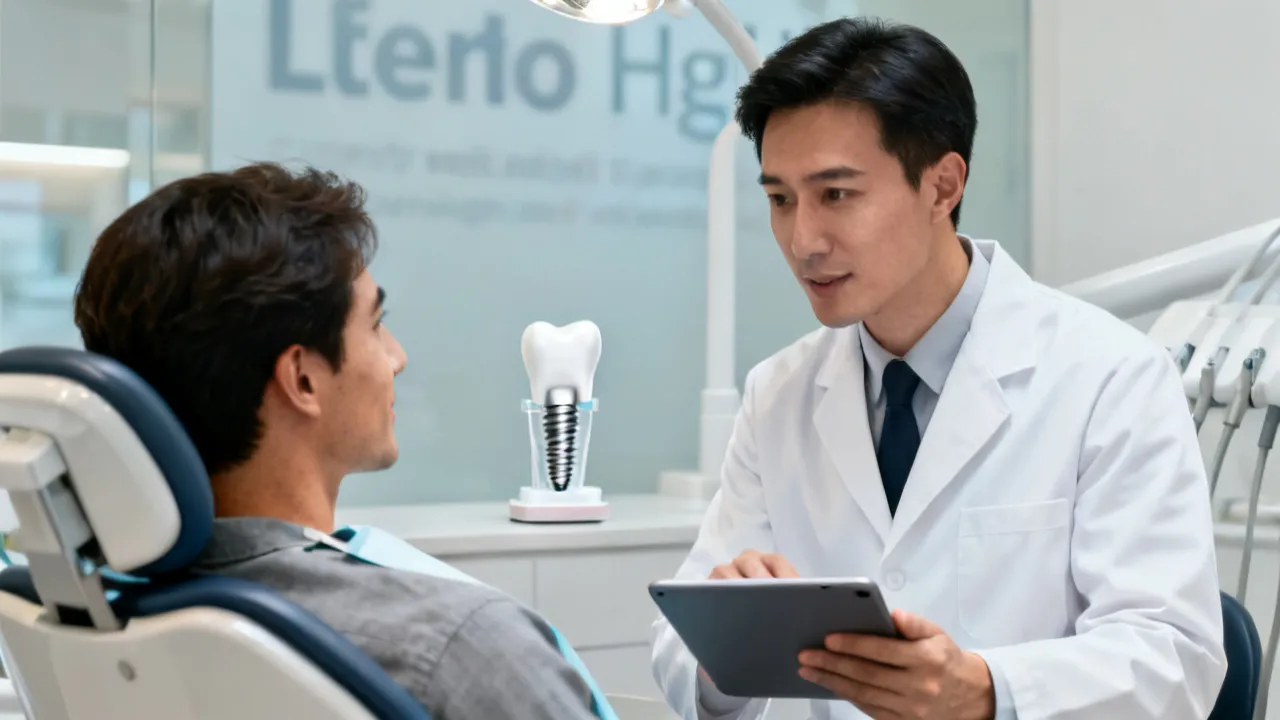
Request the imaging plan. At minimum, providers often use panoramic radiographs. Depending on anatomy and risk factors, CBCT may be indicated. CBCT is particularly relevant when there are concerns such as proximity to the inferior alveolar nerve, sinus floor relationships in the upper jaw, or limited bone volume. Imaging clarity can reduce the risk of poor implant positioning and can influence whether guided surgery is appropriate.
Also ask about documentation transfer: if you are comparing providers, you may want copies of your radiographs and any CBCT files. In cross-clinic comparisons, being able to share imaging prevents redundant scans (which can cost extra) and helps ensure that each provider is using the same diagnostic baseline.
If bone augmentation is possible or likely, ask how grafting changes timeline and cost. Bone grafting may involve additional surgical steps and a longer overall timeline. Even when it increases the cost, it can be a necessary investment for stability and long-term success. A low-cost plan that skips grafting when you need it can result in additional expenses later due to complications or rework.
Step 3: Compare “package pricing” item-by-item
When you evaluate options from clinics or educational resources that discuss affordability, look for line items such as:
- Implant fixture cost
- Abutment
- Prosthetic crown materials
- Surgical consultation and procedure fees
- Bone grafting (if needed)
- Temporaries (if used)
- Post-op visits and follow-up
- Maintenance or warranty terms
To make this practical, you can create a simple spreadsheet. Put each provider on a row, and each component on a column. Then you can mark “included,” “not included,” and “unknown.” If a clinic refuses to clarify what’s included, treat that as a red flag—not because price is inherently bad, but because transparency is required for risk control.
Additionally, watch for “component substitution” between quotes. For instance, one quote might assume a zirconia crown and another might assume a different material. Or one might assume a certain abutment design that costs more. Material differences can change price, aesthetics, and sometimes long-term durability.
Step 4: Evaluate insurance and financing routes
In English-speaking regions, dental insurance info is often delivered through plan guides and educational hubs, while in Spanish-speaking contexts, translated patient guidance may clarify expectations about implant treatment steps. For Portuguese-speaking markets, the emphasis may vary depending on whether you’re dealing with private clinics, network-based dental plans, or public-to-private hybrid systems.
Your practical goal is to translate generic insurance descriptions into your specific coverage category. Implants are often treated differently than routine dentistry, and coverage may depend on waiting periods, diagnostic codes, or eligibility criteria. Ask for a coverage estimate based on your actual diagnosis, and confirm whether the estimate covers:
- Diagnostic imaging
- Implant surgery fees
- The prosthetic crown/bridge
- Follow-up visits
Also ask about financing terms such as interest rates (if any), payment schedules, and whether financing continues even if complications occur. Sometimes, the “affordability” difference isn’t only the implant price—it’s whether you can keep cash flow stable during multi-month healing periods.
Step 5: Consider “mini implant” approaches when clinically appropriate
In some cases, clinicians discuss mini dental implants. These may be considered in specific anatomical and prosthetic scenarios, often when the goal is to simplify treatment or reduce surgical complexity. However, mini implants are not universally suitable. The suitability depends on bone conditions, functional load considerations, and the design of the prosthetic restoration.
If you’re exploring low-cost options and mini implants come up, treat them as a possible pathway only after a clinical examination and imaging review. Ask:
- Why mini implants are recommended for my case
- What success rate expectation applies to my diagnosis
- What maintenance schedule is recommended
- What limitations exist compared to standard implants
Even when mini implant approaches can reduce upfront cost, the “low cost” must be balanced against long-term planning. The cheapest plan is not always the plan that keeps costs lowest over time.
Step 6: If considering dental tourism, treat it as project management
Dental tourism can reduce costs in some scenarios, particularly when price differences are large between countries. But it adds variables. Your “project” includes travel timing, coordination of follow-up visits, possible delays if healing takes longer than expected, and the process of transferring documentation between clinics.
If you consider tourism, use a tourism-oriented resource (like the ones that emphasize travel planning and cost comparisons) to structure your questions. Still, your treating dental team should provide a clear post-treatment plan that you can follow during healing. You should also verify whether you can access follow-up care if complications occur after you return home.
Practical tourism questions include:
- How many follow-up appointments are included
- How complications are handled and whether revisions are covered
- Whether you receive a written treatment protocol
- Whether your implant components (fixtures, abutments) are documented for future care
- Which emergency contact process exists if healing problems arise
From a risk-control standpoint, tourism can be reasonable, but it requires more documentation and more planning than local care.
Step 7: Confirm quality signals beyond price
Low-cost pathways should still be evaluated for quality signals. Instead of assuming that price correlates with quality, focus on verifiable factors:
- Clinician credentials and implant surgical experience
- Implant system type and traceability (including documentation of the system used)
- Sterilization and safety protocols
- Radiographic planning standards (what imaging is used and why)
- Aftercare plan and complications management (including warranty terms)
Quality also includes communication quality. A good provider should explain the rationale behind treatment decisions, expected healing phases, and what you should do at home to support success. If explanations are vague or rushed, it may increase your risk even if the price seems attractive.
Step 8: Protect your good cost (maintenance planning)
Even if initial pricing is lower, you can end up paying more later if hygiene and maintenance programs are unclear. Ask about:
- Recommended recall frequency (e.g., every 3–6 months depending on your risk profile)
- Professional cleaning schedule (especially around implants)
- Signs and symptoms that should trigger prompt evaluation
- Home-care expectations (including recommended products or tools)
Implants are not “maintenance-free.” They require long-term periodontal and hygiene management. A provider who includes a structured maintenance plan is often reducing your long-term risk, even if the upfront price is not the absolute lowest.
6) Localization Perspective: How Patients Usually Research Differently by Language Market
Dental implants are clinically similar worldwide, but patient research behavior differs across language communities—especially when affordability is the main driver. Language influences what patients can easily understand and what kind of information is emphasized on websites.
In Spanish-speaking settings, many clinics and educational pages include explanations that are more accessible to patients. They may describe the implant process (assessment, surgery, healing, prosthetic steps) in a straightforward narrative. Some sites also emphasize patient comfort, step-by-step preparation, and the expectation management that helps patients feel less uncertain about costs and timelines.
In Portuguese-speaking markets, clinic websites may emphasize modern technologies and network-based plan approaches. Depending on the region, patients may also encounter more “plan access” messaging—how to get care through coverage structures, emergency availability, and schedule planning. For affordability, this means patients may focus on what the plan covers and whether prosthetics and implant steps are accessible within the network.
What this means for you is that your search strategy should match the communication style you encounter. For example, if you compare English-language clinic pages with Spanish-language patient guides, you might find differences in how they define “included steps.” Some providers may define the implant package more broadly, while others may define it narrowly.
If you are cross-border researching—say, you use English search terms plus Spanish-language resources—you should still rely on your own clinical records to verify eligibility. Your diagnosis and imaging should be your anchor, not the marketing phrasing on a website. A correct research workflow treats language-market pages as educational aids, then uses clinical documentation to confirm suitability and scope.
7) Country Context and Practical Considerations for Low-Cost Planning
Now let’s connect pricing to real-world factors across regions. The goal is not to assume any single factor guarantees a “good deal,” but to help you interpret price ranges intelligently.
7.1 English-speaking countries (US, UK, Canada, Australia)
In these regions, pricing and affordability often hinge on insurance coverage structures and how clinics bundle procedures. Patients may see separate pricing for diagnostics, surgery, and prosthetic work. Some clinics offer packages that include imaging, surgical placement, and a final restoration; others price each step separately. The difference matters because it changes the “true total cost” even when headline numbers look similar.
Patients can often benefit from requesting a written treatment plan that states whether the quoted figure includes:
- The crown or final prosthetic restoration
- The abutment
- Follow-up visits during healing
- Any required temporaries
- Imaging (and CBCT if indicated)
If you’re dealing with a restrictive budget, asking for a staged plan can also be useful. Sometimes clinics can provide an approach where surgery occurs first with a provisional restoration, and the final prosthetic is completed later. That can be financially helpful but should only be done with a clear long-term schedule and clinical rationale.
7.2 Spanish-speaking countries (Spain, Chile, Mexico, Colombia, Peru, Argentina)
Spanish-language resources may provide more direct explanations of implant steps and post-treatment expectations. This can make it easier for patients to prepare questions and understand the timeline. When comparing costs, it’s still important to check:
- Whether the quote includes translation or administrative assistance
- The number of visits and where follow-up occurs
- Whether the clinical timeline stretches beyond a single appointment window
In Spanish-speaking contexts, patients may also encounter different administrative pathways. Some clinics have structured processes for international patients, including paperwork support. If you’re using such a pathway, it’s important to ensure that the quote is medically comprehensive and not only administratively convenient.
7.3 Portuguese-speaking countries (Brazil, Portugal)
Portuguese-speaking markets may emphasize clinic services and implant availability, sometimes paired with broader dental plan approaches for access to routine care. For affordability, key questions include whether a plan covers implants specifically (not just consultations), what percentage is covered, and whether network-based scheduling affects prosthetic material selection or timelines.
In Brazil, in particular, patients may see strong messaging around clinic services and modern dentistry. If the approach is plan-based, the question becomes: what is covered, and what is paid out-of-pocket? For Portugal, patients may see different coverage systems and potentially different pricing dynamics based on local healthcare structures.
For any region, the practical research principle remains the same: interpret any advertised affordability claim in terms of the components and follow-up care that you will actually receive.
8) Integrating Xiva into Your Decision Workflow
If “Xiva” is part of your research keyword set, treat it as a navigation cue rather than a medical substitute. That means you can use Xiva-related search results to discover relevant pages, providers, or education content, but you must translate the information you find into clinical requirements before you decide.
In a practical workflow, Xiva can help you:
- Identify pages that discuss implant affordability and treatment pathways
- Compare educational explanations of what “low cost” may include or omit
- Shortlist clinics or insurance frameworks to contact for itemized quotes
- Cross-check terminology (implant types, prosthetic components, healing timeline)
From a professional standpoint, the most important next step after any keyword-led discovery is to convert the information into clinical requirements: imaging, implant type suitability, prosthetic plan, and follow-up care. That translation step is where you reduce patient risk and avoid expensive surprises.
To make the translation step more efficient, consider using a question framework that you can reuse across providers. For example:
- “Based on my imaging, am I a candidate for a standard implant or mini implant?”
- “What is the exact prosthetic plan and materials?”
- “What is the full list of included components and visits?”
- “If I need grafting, how does cost and timeline change?”
- “What warranty and complication management process exists?”
When you compare providers using the same framework, the difference between a “low cost” and a “complete cost” becomes obvious.
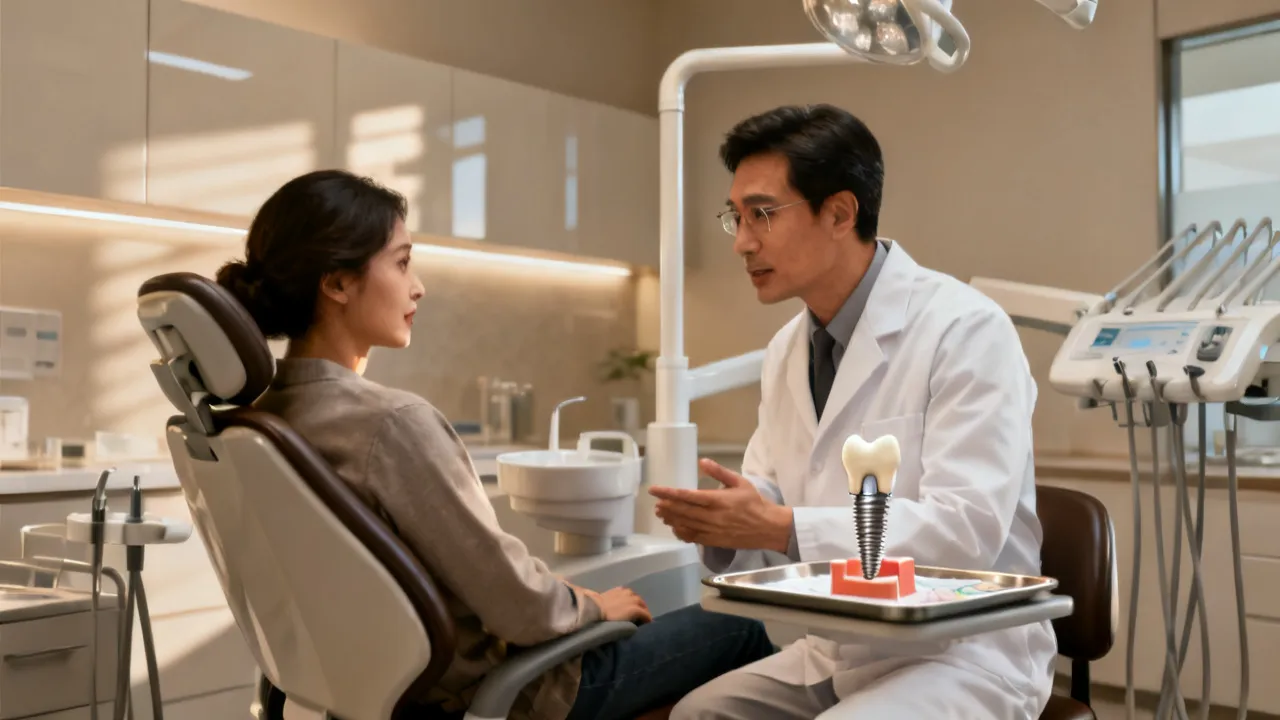
9) Expert Checklists: What to Ask Before You Pay for Low-Cost Implants
Below is a structured “informed consent” style checklist. A reputable clinic should be able to answer these clearly and provide documentation (treatment plan and written estimate). If answers are vague or if the clinic hesitates to clarify, that should factor into your decision.
- What exactly is included in the quoted price? (fixture, abutment, crown, visits, imaging)
- Will I need bone grafting or additional procedures? If yes, what are the estimated cost and timeline impacts?
- How will you plan the implant position? (radiographic planning method; whether guided surgery is used)
- What implant system is used? Is it traceable and appropriate for my case?
- What is the healing timeline? Are there options to shorten time and what are the trade-offs?
- What is your maintenance schedule after placement? (recall intervals, cleaning protocol)
- What happens if complications occur? (revisions, warranty coverage, follow-up access)
- Do you provide documented treatment plans? (written estimates and aftercare instructions)
To make this checklist even more actionable, you can ask for a printed or emailed plan with dates. For example: consultation date, surgery date, healing review date, prosthetic impressions date, and crown placement date. That timeline makes it easier to budget and to plan time off work or travel.
Also ask about post-operative medication and instructions. If you’re receiving an implant, medication such as antibiotics or pain control may be prescribed depending on your situation. You should know what to expect and what side effects require contact with the clinic. This isn’t about “cheapness”—it’s about safety and continuity of care.
10) Frequently Asked Questions (FAQs)
FAQ 1: Are low-cost dental implants always lower quality?
No. “Low cost” can result from different pricing strategies, efficient workflow, insurance alignment, or treatment case selection. The real risk is not “lower price” by itself; the risk is missing details. Those missing details can include whether prosthetic components, imaging, grafting, or follow-up are included. Always request an itemized scope of work and clarify what changes if bone conditions or healing requirements differ from the initial diagnosis.
FAQ 2: What determines the price difference between countries?
Common drivers include clinic overhead, clinician billing structures, local labor and materials costs, insurance systems, and differences in how prosthetic components are delivered (including warranties). Additionally, your clinical complexity is often the biggest variable: a case requiring grafting and multiple visits can cost substantially more, regardless of location.
Another factor that can influence perceived country differences is how clinics structure “package pricing.” One clinic may include the crown in the implant package, while another may quote only the fixture and surgery, expecting you to pay separately for the prosthetic. That can create a misleading impression that a country is cheaper when the comparison is apples-to-oranges.
FAQ 3: Is a single dental implant quote enough to compare options?
Not usually. Compare the “full package” for a single implant: implant fixture, abutment, crown/attachment, surgical fees, imaging, and follow-up. Many misunderstandings occur when a quoted figure excludes one or more components. A quote that looks cheaper may become more expensive once everything needed for completion is added.
For example, compare what happens after the implant is placed: will you receive a temporary crown or a healing abutment? How many follow-up visits are planned? Will the provider manage any complications at no additional cost within a warranty window? Those details determine the real total value of a plan.
FAQ 4: What is the difference between standard implants and mini dental implants?
Mini implants may be considered in specific scenarios depending on bone conditions, prosthetic requirements, and stability needs. Suitability is case-dependent. For affordability research (including content found in Spanish-language implant-focused clinics), treat mini implants as a possible pathway only after an examination and imaging review.
A useful way to evaluate mini implant options is to ask how the prosthetic design is different. Mini implants may be associated with different loading considerations and different long-term maintenance approaches. You want to understand the clinical rationale and not just the cost benefit.
FAQ 5: Can insurance reduce implant costs in English- or Spanish-speaking countries?
In many settings, dental insurance can reduce out-of-pocket costs depending on plan rules. Educational guides and insurance-focused resources can help you understand how to check coverage and apply for benefits. Still, implants may have waiting periods, limitations, or diagnostic prerequisites—so ask for a coverage estimate for your specific procedure category.
When calling your insurer (or using an online portal), ask for the plan’s benefit explanation in plain language. Confirm whether coverage includes the surgery, the crown, diagnostic imaging, and whether there are limitations on provider networks. Often, out-of-pocket costs differ dramatically depending on whether you use an in-network provider and whether the plan has annual maximums.
FAQ 6: Is dental tourism a good way to save on implants?
It can reduce total cost for some patients, but it adds complexity: travel timing, follow-up scheduling, and complication management across borders. If you consider tourism, request documentation of materials, a written treatment schedule, and a clear plan for post-procedure care. Verify that you can access follow-up if healing does not proceed as expected.
Also consider the “logistics cost” of tourism: time off work, additional transportation to follow-ups, and the potential cost of returning to your home country for related care. Sometimes the medical savings are partially offset by follow-up costs. Only itemized planning can reveal the true net savings.
FAQ 7: How can I avoid hidden charges when pursuing low-cost implants?
Ask for a written estimate that includes: imaging, surgical visit(s), abutment, crown or prosthetic component(s), temporary restoration (if any), post-op appointments, and any revision/warranty terms. Also ask what will trigger additional charges (for example, unexpected bone needs).
A practical step is to ask the provider to define what qualifies as “complication” vs. what qualifies as “planned additional procedure.” If those categories are not defined, clinics may present new costs unexpectedly. A transparent provider will help you understand what is predictable and what is contingency-based.
11) Practical Comparison: Clinic vs. Insurance vs. Tourism (How to Decide)
In many real-world decisions, “affordability” can be categorized into three primary pathways:
- Clinic-based affordability: Some clinics offer package pricing, transparent itemization, and structured follow-up schedules.
- Insurance-based affordability: Insurance guidance helps you estimate how much out-of-pocket may be required depending on coverage rules.
- Tourism-based affordability: Tourism resources help coordinate travel and cost comparisons, but require extra caution regarding follow-up continuity.
Choosing between these pathways depends on your priorities: cost, timeline, language support, and your ability to return for follow-up visits. For instance:
- If you need a predictable timeline and easy follow-up access, clinic-based local care may be safer even if it costs more upfront.
- If you have insurance coverage and the clinic is in-network, insurance-based affordability may provide the best balance of cost and continuity.
- If you have significant financial constraints and you can commit to careful travel and follow-up planning, tourism-based affordability might work—provided you have documentation and contingency plans.
When Xiva appears in your search, it may be related to affordability discussions and provider discovery. Whatever the origin of your Xiva keyword results, your decision still comes down to the pathway that offers the best combination of transparency, follow-up access, and completeness of treatment scope.
12) Conditions/Requirements: What Patients Should Expect During Implant Therapy
Dental implant success depends on several clinical requirements. While individual requirements differ, many cases involve:
- Adequate bone volume and density (grafts may be needed)
- Good oral hygiene and controlled periodontal disease
- Health assessment for factors affecting healing
- Smoking status considerations and medication review
- Prosthetic planning to ensure proper bite and good stability
Low-cost strategies should not skip these elements. If a quote is surprisingly low, investigate whether it still includes the clinical planning required for safe outcomes. For example, some “cheap implant” offerings may minimize imaging or may assume bone conditions that your exam later contradicts. If you start treatment without proper planning, you may face higher costs later due to delays, revisions, or failure requiring re-implantation.
Also consider the pre-treatment phase. Many successful implant journeys involve preparing the gums and stabilizing periodontal conditions. If you have gum disease or inflammation, the implant journey may include additional non-surgical or surgical periodontal steps. These steps may increase cost, but they improve long-term implant survival and reduce complications.
Health factors can also influence candidacy. Conditions like uncontrolled diabetes, certain medication categories, or history of radiation therapy may require specific risk management and timing. A reputable clinic will assess these and not proceed blindly just because a patient wants a lower price.
13) Where the Public Resources Help—and Where They Don’t
Public websites that discuss low-cost dental implants, clinic services, insurance education, and dental tourism can help you:
- Understand typical implant stages and terminology
- Prepare a question list for consultations
- Estimate budget bands and compare what “included” means
- Learn how financing or tourism logistics may work
They cannot replace your clinical exam, your imaging, or a clinician’s judgment. In other words, think of them as research scaffolding. They support your planning so you can have a meaningful discussion with a professional. But they do not substitute for individualized risk assessment.
To use these resources effectively, compare what you read against what providers tell you during consultation. If the public resource suggests a typical timeline and the clinic proposes a radically different timeline, ask why. If the resource suggests certain imaging is often used and your clinic plan omits it without explanation, ask if imaging is truly unnecessary for your anatomy. Transparency protects you from “under-planned low cost.”
14) Disclaimer
1) The above information comes from online resources, and the data is as of October 2023.
2) Dental implant prices are for reference only and may vary by region, clinic and doctor.
References and Source Links
- https://dentalviews.com/low-cost-dental-implants/
- https://www.atlanticdentalgrp.com/
- https://www.dentavacation.com/
- https://rockvilledentalarts.com/es/
- https://unioncityminidentalimplants.com/es/
- https://www.cigna.com/es-us/knowledge-center/guide-to-dental-implants
- https://www.rubiodonto.com.br/
- https://odontologiavelasco.com.br/
- https://dentalvidas.com.br/
-
1

A Guide to Cost-Efficient Small Electric Cars for Seniors
-
2
Mastering Debt Consolidation: Boost Your Credit Score and Manage Interest Rates
-
3
Your Guide to Loans, Credit Checks, and Interest Rates
-
4
Affordable Independent Living: Finding the Right Senior Housing
-
5
Guide to Senior Living Apartments: Affordable and Comfortable Environments